

Unpacking the Journey of Toyota Cars from Japan
Why the Interest in Shipping Ports?
When it comes to purchasing a Toyota vehicle from Japan, many potential buyers find themselves asking a crucial question: where do these cars actually set sail from? This inquiry is not just a matter of curiosity; it’s rooted in practical concerns that can significantly impact the buying experience. Whether you’re a car enthusiast looking for the latest model or someone seeking a reliable vehicle at a competitive price, knowing the shipping port can provide valuable insights into the entire process.
One of the most common concerns for buyers is price. Understanding the shipping logistics, including which port is used, can help you gauge the overall cost of importing a vehicle. Different ports may have varying fees associated with loading, unloading, and customs clearance, which can ultimately affect the final price tag of your new car.
Reliability is another critical factor. Buyers want to ensure that their vehicle arrives in pristine condition and on time. Knowing the shipping port can help you assess the reputation of the shipping lines and the efficiency of the logistics involved. Some ports may have a better track record for timely deliveries and fewer incidents of damage during transit.
Timing is also a major consideration. The duration of shipping can vary significantly depending on the port of departure and the destination. By understanding the shipping routes and timelines associated with specific ports, you can better plan for when to expect your new Toyota to arrive.
In this article, we will delve into the specifics of where Toyota ships its cars from Japan, exploring the major ports involved in this process. We will also address the various factors that can influence shipping costs, reliability, and timing, equipping you with the knowledge needed to make informed decisions when importing your next vehicle. Whether you’re a seasoned importer or a first-time buyer, this information is essential for navigating the complexities of car shipping from Japan.
Shipping Ports for Toyota Cars from Japan
When it comes to shipping Toyota vehicles from Japan, the primary ports involved play a significant role in determining the logistics of the entire process. The most commonly used ports for exporting Toyota cars include:
- Port of Tokyo
- Port of Yokohama
- Port of Nagoya
- Port of Osaka
Each of these ports has its own advantages, and the choice of port can affect various factors such as cost, shipping methods, and any restrictions that may apply.
Cost Factors
The cost of shipping a Toyota car from Japan can vary widely based on several key factors:
- Port Fees: Different ports have different fee structures. For example, the Port of Tokyo may have higher handling fees compared to the Port of Nagoya.
- Shipping Method: The choice between container shipping and roll-on/roll-off (RoRo) can significantly impact costs. Container shipping tends to be more expensive but offers better protection for the vehicle.
- Distance to Destination: The further the destination from Japan, the higher the shipping costs will generally be. For example, shipping to the West Coast of the U.S. may be cheaper than shipping to the East Coast.
- Insurance: While optional, many buyers choose to insure their vehicles during transit, which can add to the overall cost.
Here’s a general estimate of shipping costs based on these factors:
| Shipping Method | Estimated Cost Range |
|---|---|
| Container Shipping | $1,200 – $2,500 |
| Roll-on/Roll-off (RoRo) | $800 – $1,500 |
Shipping Methods
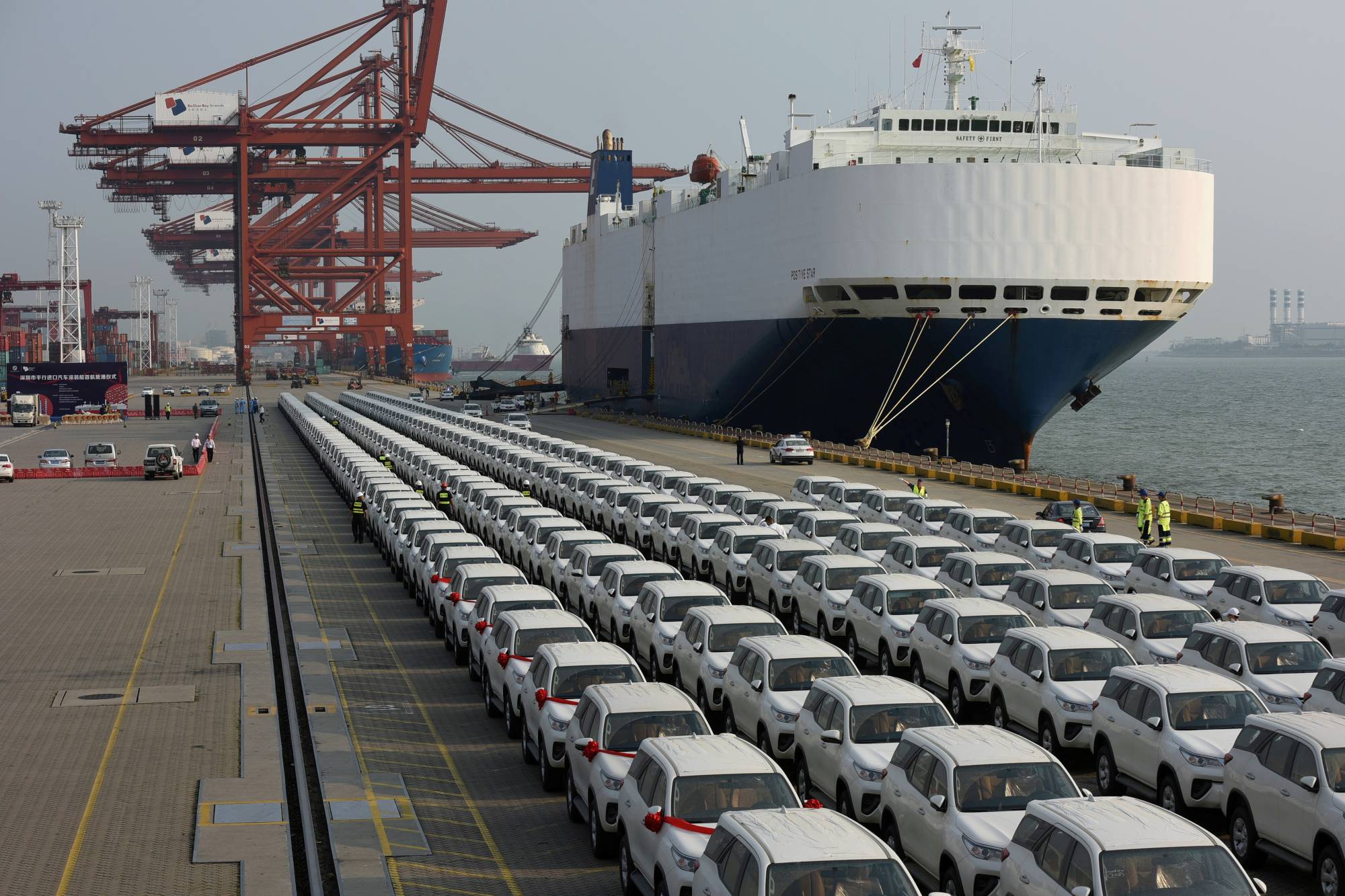
There are primarily two methods for shipping cars from Japan: container shipping and roll-on/roll-off (RoRo).
- Container Shipping: This method involves placing the vehicle inside a shipping container, providing maximum protection from the elements and potential damage. It’s ideal for high-value vehicles or when shipping multiple cars. However, it is generally more expensive.
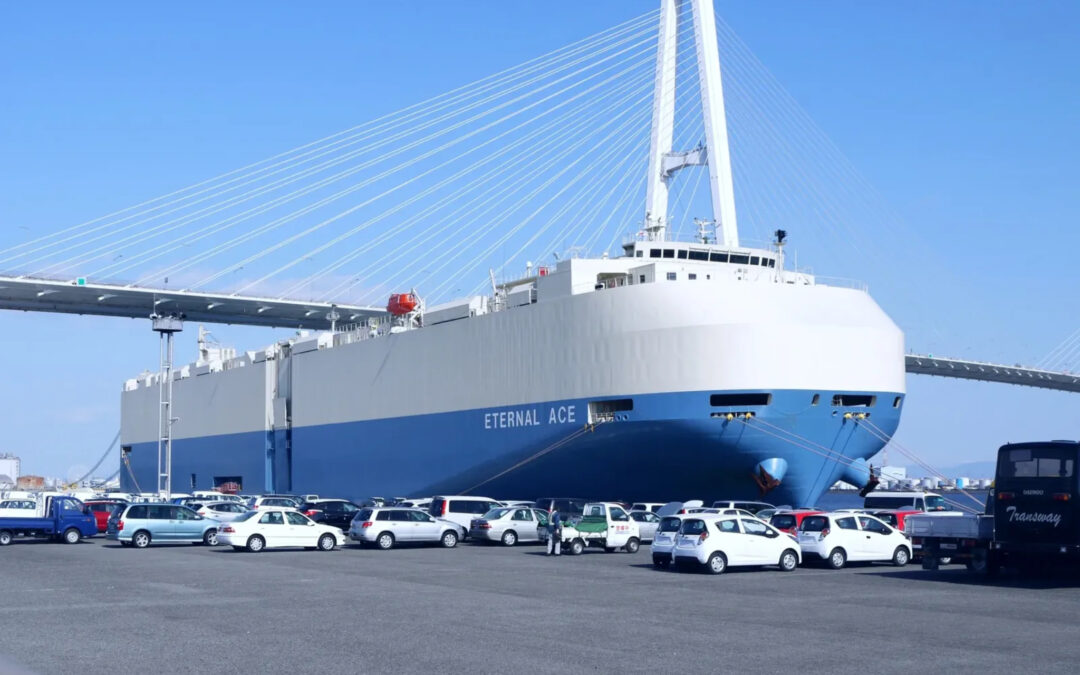
- Roll-on/Roll-off (RoRo): In this method, vehicles are driven directly onto the ship and secured for transit. RoRo is typically more cost-effective and faster but offers less protection compared to container shipping.
Restrictions and Regulations
When shipping a Toyota car from Japan, several restrictions and regulations may come into play:
- Customs Regulations: Each country has its own customs regulations regarding the import of vehicles. It’s essential to be aware of these rules to avoid delays or additional costs.
- Emission Standards: Some countries have strict emission standards that vehicles must meet. Ensure that the Toyota model you are importing complies with these regulations.
- Age Restrictions: Certain countries may have restrictions on the age of vehicles that can be imported. For example, some places may not allow the import of cars older than a specific number of years.
In summary, the choice of port for shipping Toyota cars from Japan can significantly influence various factors, including costs, shipping methods, and regulatory considerations. Understanding these elements will help you navigate the complexities of importing your new vehicle effectively.
Practical Advice for Shipping Toyota Cars from Japan
If you’re considering importing a Toyota car from Japan, knowing the right steps to take can make the process smoother and more efficient. Here’s a practical guide to help you navigate the complexities of shipping, from preparation to choosing the right shipping company.
Step-by-Step Guidance
- Research the Vehicle: Before anything else, research the specific Toyota model you want to import. Check its specifications, market value, and any compliance issues related to your country.
- Choose a Reliable Shipping Company: Look for companies that specialize in vehicle shipping from Japan. Read reviews, ask for recommendations, and compare quotes. Ensure they have experience with Toyota imports.
- Understand Shipping Methods: Decide between container shipping and RoRo based on your budget and the level of protection you want for your vehicle. Container shipping is safer but more expensive.
- Prepare Necessary Documentation: Gather all required documents, including the bill of sale, export certificate, and any other paperwork needed for customs clearance.
- Get Insurance: Consider purchasing insurance for your vehicle during transit. This can provide peace of mind in case of any unforeseen issues.
- Track Your Shipment: Once your vehicle is shipped, use tracking services provided by the shipping company to stay updated on its status.
Do’s and Don’ts
Do’s
- Do verify the shipping company’s credentials. Ensure they are licensed and have a good reputation in the industry.
- Do ask for a detailed quote that includes all potential fees, such as port charges and customs duties.
- Do familiarize yourself with your country’s import regulations to avoid any surprises during customs clearance.
- Do inspect the vehicle thoroughly before shipping to ensure it meets your expectations and is in good condition.
Don’ts
- Don’t rush the process. Take your time to research and choose the right shipping method and company.
- Don’t overlook the importance of insurance. It’s a small cost compared to the potential loss of your vehicle.
- Don’t ignore customs regulations. Failing to comply can lead to delays or additional costs.
- Don’t assume that all shipping companies are the same. Prices and services can vary widely, so shop around.
Common Mistakes to Avoid
- Assuming All Ports Are Equal: Many buyers think that any port will do, but each port has its own fees and efficiency levels. Research the specific port being used.
- Neglecting to Read the Fine Print: Always read the terms and conditions of the shipping contract. Hidden fees can add up quickly.
- Not Preparing for Delays: Shipping can sometimes take longer than expected due to various factors like weather or port congestion. Plan accordingly.
- Ignoring Vehicle Compliance: Some buyers believe that as long as they buy a car, they can import it without checking local regulations. This can lead to costly fines or the vehicle being turned away at customs.
By following these steps and being aware of common pitfalls, you can make the process of shipping a Toyota car from Japan much more manageable. With careful planning and the right information, you’ll be well on your way to enjoying your new vehicle.
Statistical Insights on Shipping Toyota Cars from Japan
When considering the logistics of shipping Toyota cars from Japan, it’s essential to look at some statistical data that highlights the scale and efficiency of this process. According to the Japan Automobile Manufacturers Association (JAMA), Japan exported approximately 4.5 million vehicles in 2022, with a significant portion being Toyota models. This figure underscores the importance of understanding the shipping process, as it reflects the high demand for Japanese vehicles worldwide.
Shipping Efficiency
The efficiency of shipping ports plays a crucial role in the overall experience of importing a vehicle. For instance, the Port of Yokohama, one of the busiest in Japan, handled over 1.1 million TEUs (Twenty-foot Equivalent Units) in 2022, making it a key player in vehicle exports. This high throughput indicates a well-established infrastructure that can facilitate timely shipping.
Cost Factors
A report from the World Bank highlights that shipping costs can vary significantly based on the chosen port and shipping method. For example, container shipping can range from $1,200 to $2,500, while RoRo options typically cost between $800 and $1,500. Understanding these cost ranges can help you budget effectively for your import.
Benefits of Car Shipping
Shipping a Toyota car from Japan offers numerous advantages:
- Access to Quality Vehicles: Japanese cars, especially Toyotas, are known for their reliability and performance. Importing allows you to access models that may not be available in your local market.
- Competitive Pricing: Due to the high volume of exports, you can often find better deals on vehicles directly from Japan compared to local dealerships.
- Variety of Options: Importing gives you access to a broader range of models, trims, and features, allowing you to find the perfect vehicle that suits your needs.
Next Steps
If you’re ready to take the plunge into importing a Toyota from Japan, here are some actionable steps to consider:
- Compare Quotes: Reach out to multiple shipping companies to get quotes. This will help you find the best deal while ensuring you choose a reputable provider.
- Consult with Shipping Experts: Engage in conversations with shipping companies to clarify any doubts and gather insights about the process.
- Prepare Your Paperwork: Ensure you have all necessary documentation ready, including the bill of sale and export certificates, to streamline the customs process.
By following these steps and leveraging the statistical insights provided, you can confidently navigate the process of shipping a Toyota car from Japan. The feasibility and benefits of car shipping are clear, making it an attractive option for many buyers looking to import quality vehicles.