

Exploring the Process of Car Shipping from Japan
Why the Interest?
When it comes to purchasing a Toyota, many enthusiasts and potential buyers often find themselves pondering the logistics of getting their dream car from Japan to their doorstep. The allure of Japanese vehicles, known for their reliability, innovation, and performance, drives a significant number of people to seek out these cars. However, the process of shipping a vehicle internationally can seem daunting. This article aims to demystify the intricacies involved in transporting Toyota cars from Japan, addressing the common concerns that arise during this journey.
One of the first questions that typically comes to mind is the cost associated with shipping. Buyers want to know how much they should budget for this process, including shipping fees, customs duties, and any additional charges that may pop up along the way. The financial aspect can be a deal-breaker, so understanding the pricing structure is crucial for many.
Reliability is another major concern. Potential buyers often worry about the condition of their vehicle upon arrival. Will it be damaged during transit? How can they ensure that their car is handled with care? These questions are valid, as the last thing anyone wants is to receive a car that has suffered from neglect or mishandling during its journey.
Timing is equally important. Buyers want to know how long it will take for their new Toyota to arrive. Delays can be frustrating, especially when one is eagerly anticipating their new ride. Understanding the shipping timeline can help set realistic expectations and alleviate some of the anxiety associated with the waiting period.
In this article, we will delve into the various methods Toyota employs to ship their cars from Japan, explore the logistics involved, and provide insights into the costs, reliability measures, and estimated timelines. By the end, readers will have a clearer picture of what to expect when shipping a Toyota, empowering them to make informed decisions in their car-buying journey.
Shipping Toyota Cars from Japan
Shipping Methods
When it comes to shipping Toyota cars from Japan, there are primarily two methods used: container shipping and roll-on/roll-off (RoRo) shipping. Each method has its own advantages and disadvantages, and the choice often depends on the buyer’s preferences and budget.
- Container Shipping: This method involves placing the vehicle inside a shipping container. It offers the highest level of protection against damage and weather conditions. Containers can hold one or more cars, depending on their size.
- Roll-on/Roll-off (RoRo) Shipping: In this method, vehicles are driven onto a specialized vessel and secured in place. RoRo is generally cheaper than container shipping but offers less protection, as cars are exposed to the elements during transit.
Cost Factors
The cost of shipping a Toyota from Japan can vary significantly based on several factors. Here are the main considerations that influence the overall price:
- Shipping Method: As mentioned, container shipping tends to be more expensive than RoRo due to the added protection.
- Distance: The distance from the port of departure in Japan to the destination port will affect shipping costs. Longer distances typically incur higher fees.
- Vehicle Size and Weight: Larger and heavier vehicles may cost more to ship. This is especially true for container shipping, where space is limited.
- Insurance: Opting for insurance coverage during shipping will add to the overall cost but provides peace of mind against potential damages.
- Customs Duties and Taxes: Import duties and taxes vary by country and can significantly impact the total cost of acquiring a vehicle from Japan.
| Shipping Method | Typical Cost Range | Pros | Cons |
|---|---|---|---|
| Container Shipping | USD 1,000 – USD 3,000 | High protection, multiple vehicles can be shipped together | More expensive, longer loading times |
| RoRo Shipping | USD 800 – USD 2,000 | Cost-effective, faster loading and unloading | Less protection, exposure to weather |
Restrictions and Regulations
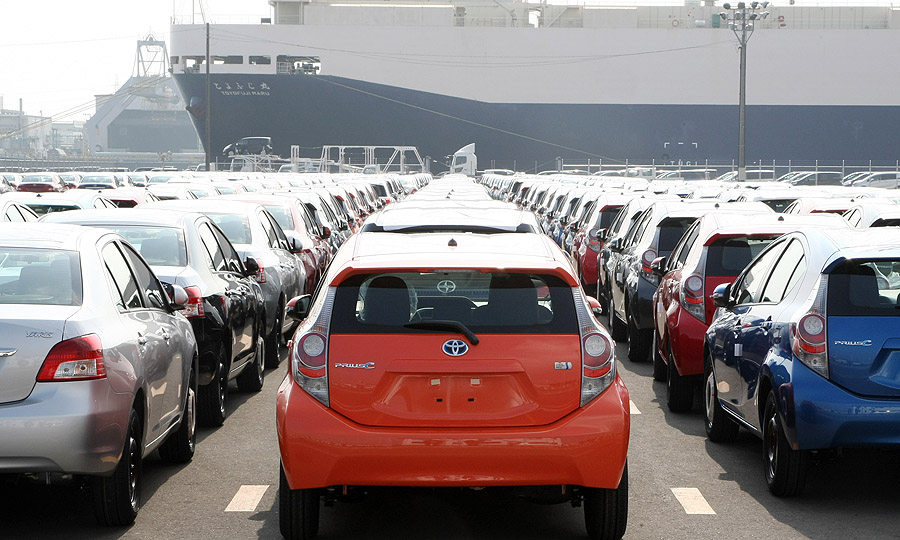
Shipping a car from Japan also involves navigating various restrictions and regulations that can impact the process. Here are some key points to consider:
- Import Regulations: Different countries have varying regulations regarding the importation of vehicles. Some may have restrictions on the age of the vehicle, emissions standards, or safety requirements that must be met.
- Documentation: Proper documentation is essential for a smooth shipping process. Buyers must ensure they have all necessary paperwork, including the bill of lading, export certificate, and customs forms.
- Customs Clearance: Once the vehicle arrives at the destination port, it must go through customs clearance. This process can take time and may require additional fees for inspections or paperwork.
Timing and Transit Duration
The time it takes to ship a Toyota from Japan to its destination can vary based on the shipping method and distance. Generally, here’s what you can expect:
- Container Shipping: Typically takes 4 to 8 weeks, depending on the destination and port schedules.
- RoRo Shipping: Usually faster, with transit times ranging from 2 to 6 weeks.
Understanding these factors can help potential buyers make informed decisions when considering the purchase of a Toyota from Japan. By weighing the costs, shipping methods, and regulations, they can navigate the process more effectively and ensure a smoother experience.
Practical Advice for Shipping Toyota Cars from Japan
Step-by-Step Guidance
If you’re considering shipping a Toyota from Japan, following a structured approach can save you time, money, and stress. Here’s a step-by-step guide to help you navigate the process effectively.
1. Research and Prepare
Before diving into the shipping process, take some time to research and prepare.
- Know Your Vehicle: Determine the make, model, and year of the Toyota you wish to purchase. This information will be crucial when discussing shipping options and costs.
- Understand Import Regulations: Familiarize yourself with your country’s import regulations for vehicles. This includes emissions standards, safety requirements, and any restrictions on vehicle age.
- Budget for Costs: Create a budget that includes not only the shipping fees but also customs duties, taxes, and potential insurance costs.
2. Choosing a Shipping Company
Selecting the right shipping company is critical to ensuring a smooth process.
- Check Reviews: Look for reviews and testimonials from previous customers. This will give you insight into the company’s reliability and customer service.
- Get Multiple Quotes: Don’t settle for the first quote you receive. Contact several companies to compare prices and services.
- Verify Credentials: Ensure the shipping company is licensed and insured. This protects you in case of any issues during transit.
- Ask About Experience: Choose a company that has experience specifically with shipping vehicles from Japan. They will be more familiar with the nuances of the process.
3. Preparing Your Vehicle for Shipping
Once you’ve chosen a shipping company, it’s time to prepare your vehicle.
- Clean the Vehicle: Thoroughly clean your car inside and out. This helps with inspections and ensures that any pre-existing damage is visible.
- Remove Personal Items: Take out all personal belongings from the vehicle. Shipping companies often have policies against transporting personal items.
- Document Condition: Take photos of your vehicle from multiple angles. This documentation can be helpful in case of disputes regarding damage during shipping.
4. What to Avoid
Being aware of common pitfalls can help you steer clear of unnecessary complications.
- Don’t Rush the Process: Take your time to research and choose wisely. Rushing can lead to poor decisions and increased costs.
- Avoid Unlicensed Companies: Never choose a shipping company without verifying their credentials. Unlicensed companies can lead to significant headaches.
- Don’t Ignore Customs Requirements: Failing to comply with customs regulations can lead to delays or even confiscation of your vehicle.
Do’s and Don’ts

Here are some essential do’s and don’ts to keep in mind throughout the shipping process:
Do’s
- Do ask questions. If you’re unsure about any aspect of the shipping process, don’t hesitate to ask your shipping company for clarification.
- Do consider insurance. While it may add to your costs, insurance can provide peace of mind and financial protection against potential damages.
- Do keep all documentation organized. Having all your paperwork in order will make the customs process smoother.
Don’ts
- Don’t overlook hidden fees. Always ask for a detailed breakdown of costs to avoid surprises later on.
- Don’t assume all shipping methods are the same. Understand the differences between container and RoRo shipping to choose the best option for your needs.
- Don’t forget to track your shipment. Most reputable shipping companies provide tracking services, so you can stay informed about your vehicle’s journey.
Common Misconceptions
There are several misconceptions that can lead to confusion when shipping a car from Japan:
- All Shipping Companies Are the Same: Many people think that all shipping companies offer the same level of service. In reality, there can be significant differences in reliability, cost, and customer service.
- Insurance Is Optional: Some buyers believe that insurance is an unnecessary expense. However, given the potential risks involved in shipping, having insurance can be a smart move.
- Shipping Times Are Always Accurate: While shipping companies provide estimated timelines, delays can occur due to various factors, including weather and port congestion. Always allow for some flexibility in your expectations.
By following these guidelines and being aware of common pitfalls, you can navigate the process of shipping a Toyota from Japan with greater confidence and ease.
Statistical Insights into Car Shipping from Japan
Shipping cars from Japan is a well-established process, with Toyota being one of the leading manufacturers in this domain. According to the Japan Automobile Manufacturers Association (JAMA), Japan exported approximately 4.5 million vehicles in 2022, with a significant portion of these being Toyotas. This statistic underscores the scale and importance of the automotive export industry in Japan.
Cost Considerations
When it comes to the cost of shipping, various studies and reports indicate that the average cost of shipping a vehicle from Japan to the United States ranges between USD 1,000 and USD 3,000, depending on the shipping method and distance. A report from the International Maritime Organization (IMO) highlights that RoRo shipping is generally 20-30% cheaper than container shipping, making it a popular choice for many buyers.
Shipping Times
In terms of shipping duration, the Japan External Trade Organization (JETRO) states that transit times can vary widely based on the shipping method. For instance, RoRo shipping typically takes about 2 to 6 weeks, while container shipping can take 4 to 8 weeks. These timelines can fluctuate based on factors such as port congestion and weather conditions, so it’s essential to plan accordingly.
Safety and Reliability
Safety is a crucial concern when shipping vehicles internationally. According to a study by the World Shipping Council, the overall loss rate for shipping containers is less than 0.1%, indicating that the chances of damage during transit are relatively low. However, opting for insurance can further mitigate risks and provide peace of mind.
Benefits of Shipping a Toyota from Japan
Shipping a Toyota from Japan offers numerous benefits, including:
- Access to Quality Vehicles: Japanese cars are known for their reliability and longevity, making them an attractive option for buyers worldwide.
- Competitive Pricing: Due to the high volume of exports, buyers often find that prices for Japanese vehicles are competitive compared to local options.
- Variety of Choices: The Japanese market offers a wide range of models and trims that may not be available in other countries.
Next Steps
If you’re considering shipping a Toyota from Japan, the next steps are straightforward:
- Compare Quotes: Reach out to multiple shipping companies to get quotes and compare services. This will help you find the best deal that meets your needs.
- Talk to a Shipping Company: Don’t hesitate to ask questions about the shipping process, insurance options, and any concerns you may have.
- Prepare Your Paperwork: Ensure that you have all necessary documentation ready, including import permits and customs forms, to facilitate a smooth shipping process.
By taking these steps, you can confidently navigate the process of shipping a Toyota from Japan, ensuring a positive experience that opens the door to owning a high-quality vehicle.