

Shipping Tesla Cars to Europe: What You Need to Know
The Growing Interest in Tesla’s European Market
As Tesla continues to expand its footprint across the globe, many potential buyers in Europe are curious about the logistics behind getting their hands on one of these innovative electric vehicles. With the increasing popularity of sustainable transportation, more people are considering making the switch to a Tesla. However, the process of shipping a car across the Atlantic raises several questions and concerns. From pricing and reliability to timing and delivery methods, prospective buyers want to ensure that their investment is safe and efficient.
One of the primary concerns is the cost associated with shipping a Tesla to Europe. Buyers often wonder how much they should expect to pay for transportation and whether these costs are included in the vehicle’s price or if they are additional expenses. Additionally, reliability is a significant factor; potential customers want to know if their vehicle will arrive in perfect condition and on time. The logistics of international shipping can be complex, and buyers are understandably anxious about the possibility of delays or damage during transit.
Timing is another critical aspect that buyers consider. How long will it take for their new Tesla to arrive? With varying shipping methods and routes, the timeline can fluctuate, and customers want to be informed about what to expect. This article aims to address these common concerns and provide a comprehensive overview of the shipping process for Tesla vehicles to Europe. By the end, readers will have a clearer understanding of what it takes to get their dream car from the factory to their driveway, ensuring that they can make informed decisions as they embark on their electric vehicle journey.
Shipping Tesla Cars to Europe
Shipping Methods
When it comes to shipping Tesla vehicles to Europe, several methods are commonly employed. Each method has its own advantages and disadvantages, depending on factors such as cost, speed, and safety. Here are the primary shipping methods used:
- Container Shipping: This method involves placing the Tesla in a shipping container, which offers protection from the elements and potential damage during transit. It is generally more expensive but provides added security.
- Roll-on/Roll-off (RoRo): In this method, the vehicle is driven onto a specialized ship designed for transporting vehicles. It is usually cheaper than container shipping but offers less protection, as cars are exposed to the elements.
- Air Freight: Although not commonly used for shipping cars due to high costs, air freight is the fastest option available. It is typically reserved for urgent deliveries or high-value vehicles.
Cost Factors
The cost of shipping a Tesla to Europe can vary widely based on several factors. Here are some key considerations that influence the overall price:
- Shipping Method: As mentioned, the choice between container shipping, RoRo, or air freight will significantly impact the cost. Container shipping is generally the most expensive, while RoRo is more budget-friendly.
- Distance: The distance from the shipping point to the destination port in Europe will also affect costs. Longer distances typically result in higher shipping fees.
- Insurance: While not mandatory, many buyers opt for insurance to protect their investment during transit. This can add to the overall cost.
- Customs and Duties: Import duties and taxes can vary by country and may add a significant amount to the total cost. Buyers should research the specific regulations for their destination country.
Typical Price Ranges
While costs can fluctuate based on the factors mentioned, here are some general estimates for shipping a Tesla to Europe:
| Shipping Method | Estimated Cost Range |
|---|---|
| Container Shipping | $1,500 – $3,000 |
| Roll-on/Roll-off (RoRo) | $800 – $1,500 |
| Air Freight | $5,000 – $10,000+ |
Restrictions and Regulations
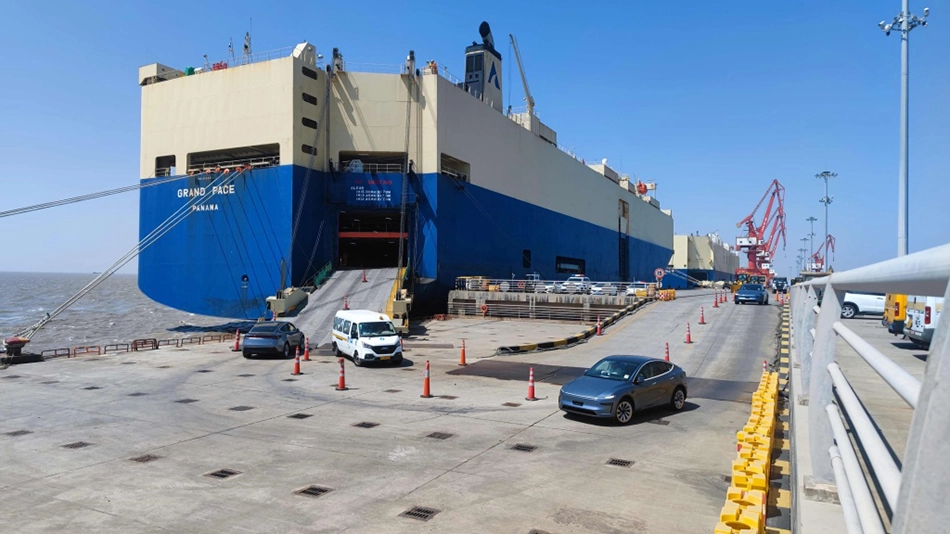
Shipping a Tesla to Europe also involves navigating various restrictions and regulations. Here are some important points to consider:
- Import Regulations: Each European country has its own import regulations, which can include specific emissions standards, safety requirements, and paperwork. It is crucial for buyers to familiarize themselves with these regulations to avoid complications.
- Customs Clearance: Once the Tesla arrives in Europe, it must go through customs clearance. This process can take time and may require additional documentation, such as proof of purchase and compliance with local regulations.
- Modifications: Depending on the country, certain modifications may be required to meet local standards. Buyers should be aware of any necessary changes to ensure their vehicle is roadworthy upon arrival.
Shipping a Tesla to Europe is a multi-faceted process that involves various methods, costs, and regulations. By understanding these factors, potential buyers can make informed decisions and ensure a smooth transition from the factory to their new home.
Practical Advice for Shipping Tesla Cars to Europe
Step-by-Step Guidance
If you’re considering shipping a Tesla to Europe, following a structured approach can help you navigate the process smoothly. Here’s a step-by-step guide to ensure you’re well-prepared:
- Research Shipping Companies: Start by researching reputable shipping companies that specialize in vehicle transport. Look for reviews, ratings, and testimonials from previous customers.
- Request Quotes: Contact multiple companies to get quotes. Make sure to ask about the shipping methods they offer, insurance options, and any additional fees that may apply.
- Check for Licensing and Insurance: Ensure that the shipping company is licensed and insured. This protects you in case of any damage or loss during transit.
- Prepare Your Tesla: Before shipping, clean your vehicle and remove personal items. Document the car’s condition with photos to have a record in case of any disputes.
- Understand Customs Requirements: Research the customs regulations for the country you’re shipping to. Prepare all necessary documentation, including proof of purchase and compliance certificates.
- Choose a Shipping Method: Decide whether you want to use container shipping, RoRo, or air freight based on your budget and timeline. Each method has its pros and cons.
- Confirm Delivery Details: Once you’ve chosen a shipping company, confirm the delivery details, including expected arrival times and pickup locations.
Do’s and Don’ts
To make the shipping process more efficient and less stressful, consider these do’s and don’ts:
Do’s
- Do Compare Options: Take the time to compare different shipping companies and methods. This can save you money and ensure you find the best service.
- Do Read the Fine Print: Carefully review the terms and conditions of the shipping agreement. Pay attention to cancellation policies and liability clauses.
- Do Communicate Clearly: Maintain open communication with the shipping company. Ask questions if you’re unsure about any part of the process.
- Do Get Insurance: Consider purchasing additional insurance for peace of mind. This can protect your investment during transit.
Don’ts
- Don’t Rush the Process: Take your time to research and plan. Rushing can lead to mistakes or oversights that could cost you later.
- Don’t Ignore Local Regulations: Failing to comply with local import regulations can lead to delays or additional costs. Make sure you’re aware of what’s required in your destination country.
- Don’t Overlook Documentation: Ensure you have all necessary documents ready before shipping. Missing paperwork can cause significant delays.
- Don’t Assume All Companies Are Equal: Just because a company has a flashy website doesn’t mean they provide quality service. Do your homework and choose wisely.
Common Mistakes to Avoid
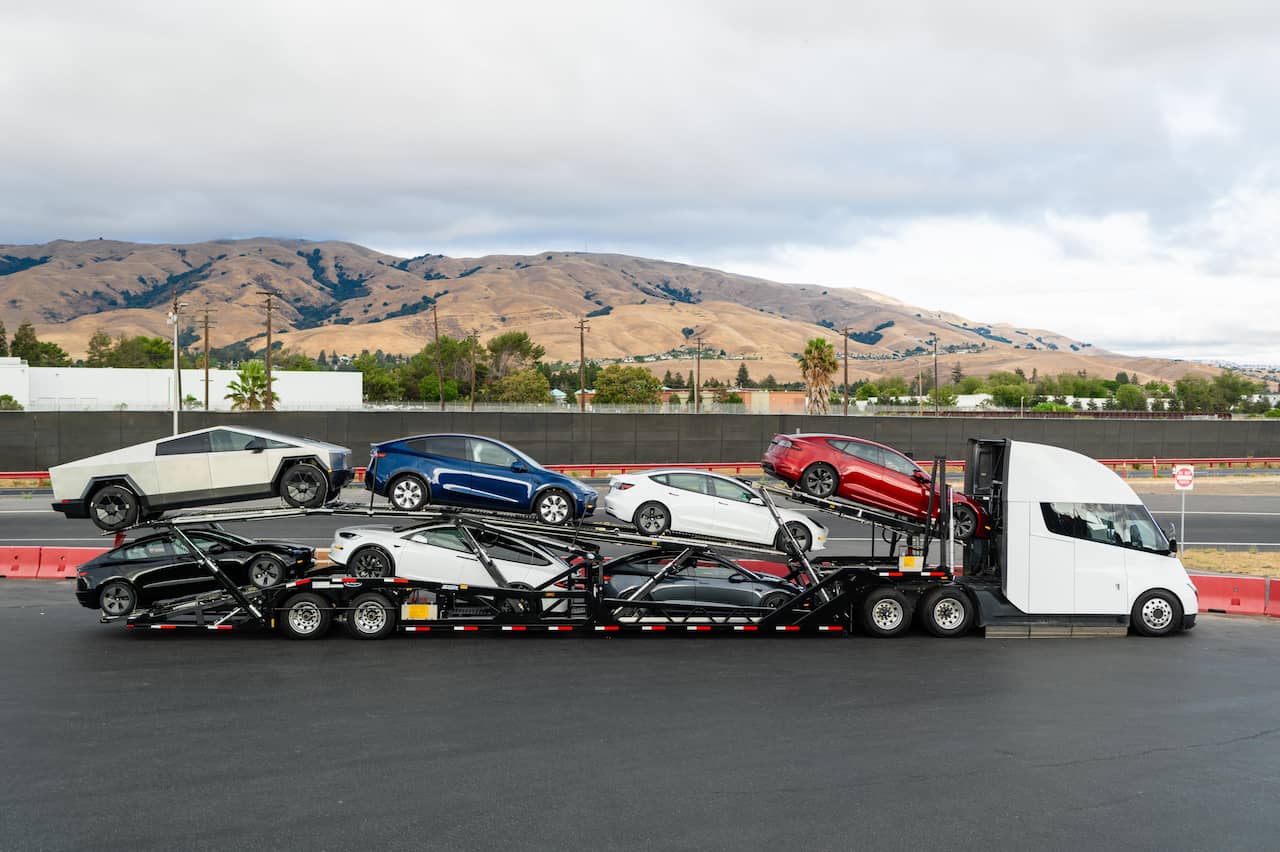
Here are some common pitfalls to watch out for when shipping a Tesla to Europe:
- Underestimating Costs: Many buyers overlook additional costs like customs duties, taxes, and insurance. Always factor these into your budget.
- Neglecting Vehicle Preparation: Failing to clean and document the vehicle’s condition can lead to disputes later on. Always take photos and note any existing damage.
- Choosing the Cheapest Option: While saving money is important, opting for the cheapest shipping method can lead to poor service or damage. Balance cost with reliability.
- Ignoring Delivery Times: Not considering how long shipping will take can lead to frustration. Be realistic about timelines and plan accordingly.
By following this practical advice, you can navigate the complexities of shipping a Tesla to Europe with confidence, ensuring a smoother experience from start to finish.
Statistical Insights on Shipping Tesla Cars to Europe
Shipping Tesla vehicles to Europe is not just a logistical challenge; it also involves understanding the broader context of the automotive shipping industry. According to the International Organization of Motor Vehicle Manufacturers (OICA), global vehicle production reached approximately 77 million units in 2021, with a significant portion of these vehicles being exported to various markets, including Europe. Tesla, as a leading electric vehicle manufacturer, plays a crucial role in this landscape.
In 2022, Tesla reported that it delivered over 1.3 million vehicles globally, with a growing percentage of these deliveries aimed at European markets. As the demand for electric vehicles continues to rise, the shipping process has become increasingly streamlined. According to Statista, the European electric vehicle market is projected to grow at a compound annual growth rate (CAGR) of 29% from 2021 to 2028, indicating a robust demand for Tesla cars.
When it comes to shipping costs, a report from Freightos indicates that container shipping rates have fluctuated significantly over the past few years, with average costs ranging from $1,500 to $3,000 for container shipping, depending on various factors such as distance and shipping method. The Roll-on/Roll-off (RoRo) method, being more economical, typically costs between $800 and $1,500, making it a popular choice for many buyers.
Feasibility and Benefits of Car Shipping
Shipping a Tesla to Europe is not only feasible but also offers numerous benefits. The process allows buyers to access the latest models and technology that may not be available locally. Additionally, the growing infrastructure for electric vehicles in Europe, including charging stations and government incentives, makes owning a Tesla an attractive option for many consumers.
Furthermore, the logistics companies specializing in vehicle shipping have developed efficient processes that minimize risks and ensure timely deliveries. With the right preparation and understanding of the shipping process, buyers can confidently navigate the complexities involved.
Next Steps
If you’re considering shipping a Tesla to Europe, here are some actionable next steps:
- Compare Quotes: Reach out to multiple shipping companies to gather quotes. This will help you understand the market rates and choose the best option for your budget.
- Talk to a Shipping Company: Engage in discussions with potential shipping providers to clarify any doubts and understand their services better.
- Prepare Paperwork: Gather all necessary documentation, including proof of purchase and compliance certificates, to ensure a smooth shipping process.
By taking these steps, you can set yourself up for a successful experience in shipping your Tesla to Europe, ensuring that you enjoy all the benefits of owning one of the most advanced electric vehicles on the market.