

Shipping a Car from China to the U.S.
Why It Matters
In an increasingly globalized world, the desire to own a vehicle from abroad, especially from a manufacturing powerhouse like China, has become a common pursuit for many American consumers. Whether it’s the allure of unique models, competitive pricing, or the latest technology, people are often on the hunt for ways to bring a car from China to the U.S. However, the process can seem daunting. Many potential buyers find themselves grappling with a myriad of questions and concerns that can make or break their decision to go through with the shipping process.
Price is often at the forefront of these concerns. How much will it cost to ship a car across the ocean? Are there hidden fees that could inflate the overall expense? Reliability is another critical factor; potential shippers want to know if they can trust the shipping company to handle their vehicle with care and deliver it on time. Timing is equally important—how long will the entire process take from start to finish? Delays can lead to frustration, especially if you’re eagerly awaiting your new ride.
In this article, we will explore the ins and outs of shipping a car from China to the U.S., addressing these common concerns head-on. You’ll learn about the various shipping methods available, the costs involved, and tips for ensuring a smooth and successful transaction. Whether you’re a seasoned car enthusiast or a first-time buyer, this guide aims to equip you with the knowledge you need to make informed decisions about your international car shipping journey.
Shipping a Car from China to the U.S.
Defining the Concept
Shipping a car from China to the U.S. involves transporting a vehicle across international waters, typically using specialized shipping containers or vessels. This process can be complex, as it requires navigating various regulations, customs procedures, and logistical challenges. Whether you’re looking to import a brand-new model or a used vehicle, understanding the key factors involved is crucial for a successful shipping experience.
Cost Factors
When considering shipping a car from China to the U.S., cost is often a primary concern. The total expense can vary significantly based on several factors, including:
- Shipping Method: The choice between container shipping and roll-on/roll-off (RoRo) can impact costs. Container shipping tends to be more expensive but offers better protection for the vehicle.
- Distance: The specific ports of departure and arrival can affect shipping rates. Longer distances generally result in higher costs.
- Vehicle Size and Weight: Heavier and larger vehicles may incur additional fees due to weight restrictions and space requirements.
- Insurance: Opting for shipping insurance can add to the overall cost but provides peace of mind in case of damage during transit.
- Customs Duties and Taxes: Import duties, taxes, and other fees imposed by U.S. customs can significantly affect the total cost of importing a vehicle.
Typical Price Ranges
While costs can vary widely, here are some general estimates for shipping a car from China to the U.S.:
| Shipping Method | Estimated Cost Range |
|---|---|
| Container Shipping | $1,000 – $3,000 |
| Roll-on/Roll-off (RoRo) | $800 – $2,000 |
| Insurance (optional) | $100 – $300 |
| Customs Duties and Taxes | 2.5% – 25% of vehicle value |
Shipping Methods
There are primarily two methods for shipping a car from China to the U.S.:
- Container Shipping: This method involves placing the vehicle inside a shipping container, which provides protection from the elements and potential damage. It is ideal for high-value vehicles or those requiring extra care during transit.
- Roll-on/Roll-off (RoRo): In this method, the vehicle is driven onto a specialized vessel and secured for transport. While generally more affordable, it offers less protection compared to container shipping.
Restrictions and Regulations
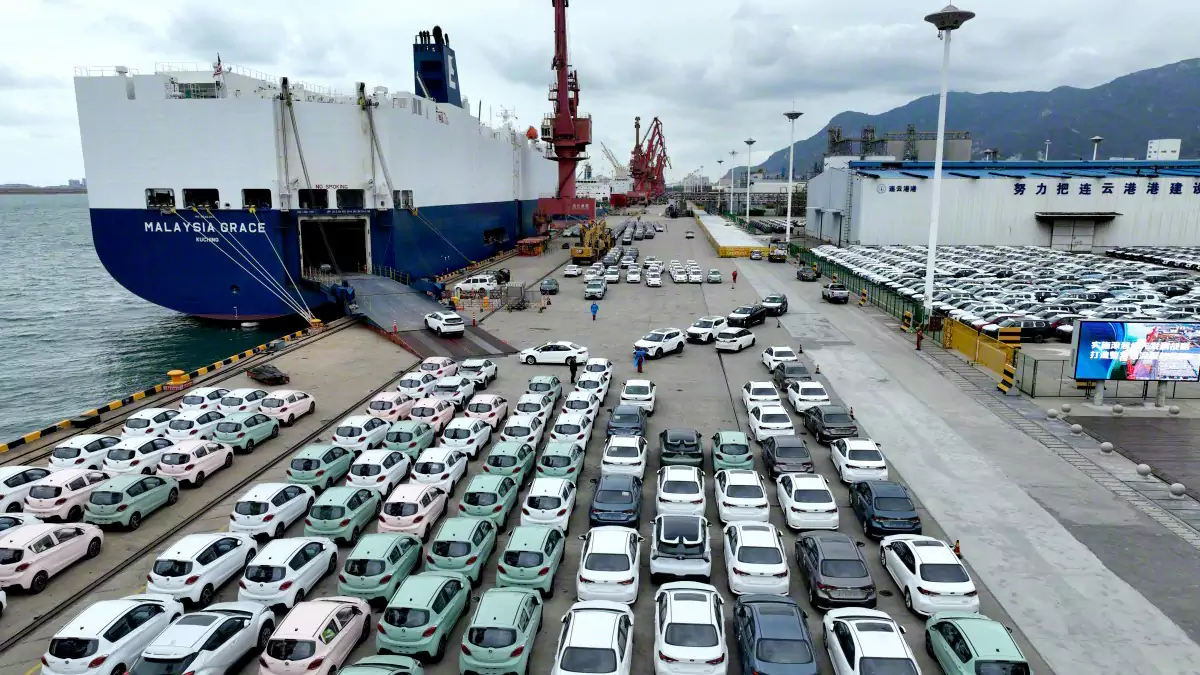
Importing a vehicle from China to the U.S. comes with its own set of restrictions and regulations. Here are some key points to keep in mind:
- Compliance with U.S. Standards: Vehicles must meet U.S. safety and emissions standards. This often requires modifications to the vehicle before it can be legally driven in the U.S.
- Documentation: Proper documentation is essential for customs clearance. This includes the bill of lading, proof of ownership, and any necessary import permits.
- Customs Inspections: Be prepared for customs inspections upon arrival. This can add time to the shipping process and may require additional fees.
- State Regulations: Each state has its own regulations regarding vehicle registration and emissions. Research your state’s requirements to avoid complications.
By understanding these factors, potential buyers can better navigate the complexities of shipping a car from China to the U.S. and make informed decisions throughout the process.
Practical Advice for Shipping a Car from China to the U.S.
Step-by-Step Guidance
If you’re considering shipping a car from China to the U.S., following a structured approach can help streamline the process. Here’s a step-by-step guide to ensure you’re well-prepared:
1. Research and Prepare
Before diving into the shipping process, take the time to research the vehicle you want to import.
- Check Compliance: Ensure the car meets U.S. safety and emissions standards. This might require modifications, which can add to costs.
- Gather Documentation: Collect all necessary documents, including the bill of sale, title, and any import permits required by U.S. customs.
- Understand Costs: Familiarize yourself with potential costs, including shipping fees, customs duties, and taxes.
2. Choose a Reliable Shipping Company
Selecting the right shipping company is crucial for a smooth experience. Here’s how to make an informed choice:
- Read Reviews: Look for customer reviews and ratings online. Websites like Trustpilot or Google Reviews can provide insights into the company’s reputation.
- Verify Credentials: Ensure the shipping company is licensed and insured. Check their credentials with the Federal Maritime Commission (FMC) if they operate in the U.S.
- Request Quotes: Get quotes from multiple companies to compare services and prices. Be wary of prices that seem too good to be true.
- Ask Questions: Don’t hesitate to ask about their shipping methods, insurance options, and what to expect during the process.
3. Prepare Your Vehicle
Once you’ve chosen a shipping company, it’s time to prepare your vehicle for transport:
- Clean the Car: Thoroughly clean the vehicle inside and out. This helps with inspections and ensures that any pre-existing damage is documented.
- Remove Personal Items: Take out all personal belongings from the car, as most shipping companies do not cover damage to personal items during transit.
- Check for Leaks: Inspect the vehicle for any leaks or mechanical issues that could complicate shipping.
- Document Condition: Take photos of the car from multiple angles to document its condition before shipping.
4. Understand Customs Procedures
Navigating customs can be one of the trickiest parts of the process. Here’s what to keep in mind:
- Be Prepared for Inspections: Customs may inspect your vehicle upon arrival, so ensure all documentation is in order.
- Pay Duties and Taxes: Be ready to pay any applicable customs duties and taxes. Familiarize yourself with the rates to avoid surprises.
- Follow State Regulations: Research your state’s specific requirements for vehicle registration and emissions testing.
Do’s and Don’ts
To further assist you in the shipping process, here are some essential do’s and don’ts:
Do’s
- Do read the fine print of your shipping contract. Understand the terms and conditions, including liability and insurance coverage.
- Do keep copies of all documents related to the shipping process. This includes contracts, receipts, and correspondence with the shipping company.
- Do stay in communication with your shipping company. Regular updates can help you stay informed about your vehicle’s status.
Don’ts
- Don’t assume all shipping companies are the same. Take the time to research and choose one that fits your needs.
- Don’t overlook the importance of insurance. Ensure your vehicle is adequately insured during transit.
- Don’t ignore customs regulations. Failing to comply can lead to delays and additional costs.
Common Misunderstandings

Here are some common misconceptions that can lead to mistakes:
- All Shipping Companies Are Reliable: Not all companies have the same level of service. Research is essential to avoid potential issues.
- Shipping Costs Are Fixed: Costs can vary based on multiple factors. Always get a detailed quote and ask about potential additional fees.
- Insurance Is Optional: While it may seem like an extra expense, insurance is crucial for protecting your investment during transit.
By following this practical advice, you can navigate the complexities of shipping a car from China to the U.S. with greater confidence and ease.
Statistical Insights on Shipping a Car from China to the U.S.
When considering the logistics of shipping a car from China to the U.S., it’s essential to look at some statistical data that highlights the feasibility and trends in the automotive shipping industry.
Market Growth
The global automotive logistics market is projected to grow significantly in the coming years. According to a report by Research and Markets, the automotive logistics market was valued at approximately $180 billion in 2020 and is expected to reach around $250 billion by 2027, growing at a compound annual growth rate (CAGR) of about 5.2%. This growth indicates a robust demand for shipping vehicles internationally, including from China to the U.S.
Shipping Volumes
In 2021, the U.S. imported over 1.5 million vehicles from various countries, with China being one of the key players in the automotive market. The U.S. Census Bureau reported that the value of automotive imports from China was approximately $12 billion in 2020. This data underscores the significant volume of vehicles being shipped, which reflects the demand for Chinese automobiles in the U.S. market.
Cost Considerations
As previously mentioned, shipping costs can vary widely. According to the International Maritime Organization, the average cost of shipping a vehicle from China to the U.S. ranges from $800 to $3,000, depending on the shipping method and other factors. Additionally, customs duties can range from 2.5% to 25% of the vehicle’s value, depending on the type of vehicle being imported.
Benefits of Shipping a Car
Shipping a car from China to the U.S. offers several advantages:
- Access to Unique Models: Many consumers are drawn to vehicles that are not readily available in the U.S. market, allowing for a more diverse selection.
- Cost Savings: Depending on the model and specifications, importing from China can sometimes be more cost-effective than purchasing domestically.
- Latest Technology: Chinese manufacturers are often at the forefront of automotive technology, providing access to innovative features and designs.
Next Steps
If you’re considering shipping a car from China to the U.S., here are some actionable next steps to take:
- Compare Quotes: Reach out to multiple shipping companies to obtain quotes and understand the services they offer. This will help you find the best deal.
- Talk to a Shipping Company: Engage in discussions with potential shipping companies to clarify any doubts and gather more information about the shipping process.
- Prepare Your Paperwork: Ensure that all necessary documentation is ready, including the bill of sale, title, and any import permits required by U.S. customs.
By taking these steps, you can confidently navigate the process of shipping a car from China to the U.S. The growing market, coupled with the potential benefits of accessing unique vehicles, makes this an appealing option for many consumers.