

Exploring Car Shipping Options
Why Car Shipping Matters
In today’s fast-paced world, the need for reliable car shipping solutions has become increasingly important. Whether you’re relocating across the country, purchasing a vehicle from a distant seller, or simply looking to transport your prized possession, the logistics of getting a car from point A to point B can be daunting. This is where platforms like CarGurus come into play, sparking curiosity among potential users about their shipping capabilities.
When people search for car shipping options, they often have a few key concerns in mind. Price is usually at the forefront; no one wants to break the bank just to get their vehicle delivered. Reliability is another major factor—after all, you want your car to arrive in the same condition it left. Timing is equally crucial; whether you need your vehicle for a new job or a family move, delays can throw a wrench in your plans.
In this article, we will delve into the specifics of car shipping, focusing on what you need to know about the options available, including the role of CarGurus in the process. We’ll address common questions, such as how pricing works, what to expect in terms of delivery times, and how to ensure your vehicle is transported safely. By the end, you’ll have a clearer picture of what to expect when considering car shipping and how to make informed decisions that suit your needs.
Exploring Car Shipping with CarGurus
Can CarGurus Ship Cars?
CarGurus is primarily known as a platform for buying and selling vehicles, but it does not directly handle car shipping. Instead, it connects users with dealerships and private sellers who may offer shipping options or can recommend third-party shipping services. This means that while CarGurus itself does not ship cars, it can facilitate the process by providing access to sellers who do.
Key Factors in Car Shipping
When considering car shipping, several factors come into play that can influence your decision-making process. Here’s a breakdown of the main elements to consider:
Cost Factors
The cost of shipping a car can vary widely based on several factors, including distance, vehicle size, and shipping method. Here’s a general overview of what you might expect:
| Distance | Typical Price Range |
|---|---|
| Local (up to 250 miles) | $200 – $500 |
| Regional (250 – 1,000 miles) | $500 – $1,200 |
| Long-Distance (1,000+ miles) | $1,200 – $2,000+ |
Keep in mind that these are general estimates and actual prices can vary based on the specifics of your shipment.
Shipping Methods
There are several methods available for shipping cars, each with its own pros and cons:
- Open Transport: This is the most common and cost-effective method. Vehicles are loaded onto an open trailer, exposed to the elements. While it’s cheaper, there’s a higher risk of damage from road debris.
- Enclosed Transport: Vehicles are shipped in a fully enclosed trailer, providing better protection from the weather and potential damage. This method is more expensive but is ideal for luxury or classic cars.
- Door-to-Door Service: The shipping company picks up and delivers the vehicle directly to your specified locations. This is convenient but may come at a higher cost.
- Terminal-to-Terminal Service: The vehicle is dropped off and picked up at designated terminals. This option is usually cheaper but requires more effort on your part.
Restrictions and Considerations
When shipping a car, it’s essential to be aware of certain restrictions and considerations:
- Vehicle Condition: Some shipping companies may not transport inoperable vehicles. Ensure your car is in good working condition unless you find a service that specializes in non-running vehicles.
- Personal Items: Most carriers do not allow personal items to be shipped inside the vehicle. This is to prevent damage and liability issues.
- Insurance: Check what insurance coverage the shipping company provides. You may want to consider additional coverage for peace of mind.
- Timing: Shipping times can vary based on distance and method. Generally, expect anywhere from a few days to a couple of weeks for delivery.
While CarGurus does not ship cars directly, it serves as a valuable resource for connecting buyers and sellers. By understanding the costs, shipping methods, and restrictions involved in car shipping, you can make informed decisions that best suit your needs.
Practical Advice for Car Shipping
Step-by-Step Guidance

If you’re considering shipping a car through connections made on CarGurus, there are several steps you can take to ensure a smooth process. Here’s a practical guide to help you navigate car shipping effectively.
How to Prepare Your Vehicle
Before shipping your car, proper preparation is essential. Follow these steps:
- Clean Your Car: Wash and vacuum the interior and exterior. This allows you to inspect the vehicle for any existing scratches or dents.
- Document the Condition: Take detailed photos of your car from multiple angles. This documentation can be crucial in case of damage during transport.
- Remove Personal Items: Clear out any personal belongings from the vehicle. Most shipping companies do not allow items inside the car, and removing them helps avoid potential theft or damage.
- Check Fluid Levels: Ensure that all fluids are topped off and that your car is in good working condition. Some companies may not transport inoperable vehicles.
- Disable Alarms: If your vehicle has an alarm system, disable it to prevent unnecessary disruptions during transport.
How to Choose a Shipping Company
Selecting the right shipping company is crucial for a successful car transport experience. Here’s how to make an informed choice:
- Research Options: Look for reputable car shipping companies with positive reviews. Websites like the Better Business Bureau can provide insights into a company’s reliability.
- Get Multiple Quotes: Don’t settle for the first quote you receive. Obtain estimates from several companies to compare prices and services.
- Check Insurance Coverage: Ensure the company offers adequate insurance coverage for your vehicle during transport. Ask for details about their policy and what it covers.
- Ask About Experience: Inquire how long the company has been in business and their experience with shipping vehicles similar to yours.
- Read the Fine Print: Carefully review the terms and conditions, including cancellation policies and additional fees.
What to Avoid
Being aware of common pitfalls can save you time and money. Here are some things to steer clear of:
- Choosing Based on Price Alone: While cost is important, don’t choose a company solely based on the lowest price. Quality of service matters more in the long run.
- Ignoring Reviews: Failing to read customer reviews can lead you to choose a company with a poor track record. Take the time to research feedback from previous customers.
- Neglecting to Ask Questions: Don’t hesitate to ask the shipping company any questions you may have. A reputable company will be transparent and willing to provide information.
- Overloading Your Vehicle: Avoid the temptation to ship personal items in your car. This can lead to additional fees and potential damage to your belongings.
Do’s and Don’ts
Here are some essential do’s and don’ts to keep in mind during the car shipping process:
Do’s
- Do confirm pickup and delivery dates with the shipping company.
- Do keep a copy of all paperwork, including the contract and inspection report.
- Do communicate any special instructions to the shipping company, such as preferred pickup times.
- Do inspect your vehicle upon delivery and document any damage immediately.
Don’ts
- Don’t assume all shipping companies are the same; do your research.
- Don’t forget to check the vehicle’s registration and insurance before shipping.
- Don’t skip the inspection process; it’s critical for protecting your investment.
- Don’t ignore the importance of timing; plan ahead to avoid last-minute issues.
Common Misconceptions
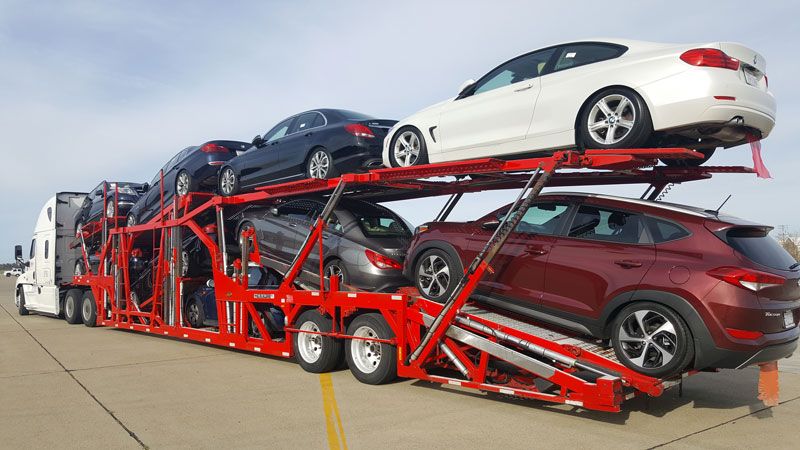
There are several misunderstandings that can lead to confusion when it comes to car shipping:
- All Companies Are the Same: Many people think all car shipping companies provide the same level of service. In reality, quality can vary significantly, so research is essential.
- Shipping is Always Expensive: While costs can add up, there are affordable options available. Comparing quotes can help you find a service that fits your budget.
- Insurance is Not Necessary: Some believe that standard insurance is sufficient for car shipping. Always check the specific coverage provided by the shipping company and consider additional insurance if needed.
- Only New Cars Can Be Shipped: Many assume that only new vehicles are eligible for shipping. In fact, older cars can be shipped as well, but they may require special handling depending on their condition.
By following this practical advice, you can navigate the car shipping process with confidence, ensuring that your vehicle arrives safely and efficiently at its destination.
Statistical Insights on Car Shipping
When considering car shipping, it’s helpful to look at some statistical data that highlights the feasibility and reliability of the service. According to the American Moving and Storage Association (AMSA), approximately 7 million vehicles are transported across the United States each year. This figure underscores the demand for car shipping services and indicates that many people successfully navigate the process.
Additionally, a survey conducted by the National Automobile Dealers Association (NADA) found that 60% of car buyers are willing to pay for shipping when purchasing a vehicle from a distant seller. This willingness reflects the growing acceptance of car shipping as a practical solution for buyers and sellers alike.
In terms of costs, the average price for shipping a vehicle ranges from $600 to $1,200 for distances between 500 and 1,000 miles, according to data from the U.S. Department of Transportation. This cost can fluctuate based on factors such as the type of transport selected (open vs. enclosed), the vehicle’s size, and the time of year. For example, shipping during peak seasons, such as summer, may incur higher rates due to increased demand.
Moreover, the Better Business Bureau (BBB) reports that the car shipping industry has seen a steady increase in customer satisfaction ratings, with many companies achieving ratings above 4 out of 5 stars. This trend indicates that consumers are increasingly finding reliable and satisfactory services in the car shipping sector.
Benefits of Car Shipping
Car shipping offers several benefits that make it an attractive option for both buyers and sellers:
- Convenience: Shipping a car saves time and effort, especially for long-distance moves or purchases.
- Safety: Professional shipping companies have the expertise and equipment to transport vehicles safely, reducing the risk of damage.
- Flexibility: Various shipping options are available, allowing customers to choose the method that best fits their needs and budget.
- Access to Wider Markets: Buyers can purchase vehicles from sellers across the country without geographical limitations.
Next Steps
If you’re considering car shipping, the next steps are straightforward:
- Compare Quotes: Reach out to multiple shipping companies to obtain quotes. This will help you find the best price and service for your needs.
- Talk to a Shipping Company: Engage with a representative to discuss your specific requirements, ask questions, and clarify any concerns you may have.
- Prepare Paperwork: Gather necessary documents, including your vehicle’s registration, insurance information, and any contracts or agreements with the shipping company.
By taking these steps, you can confidently navigate the car shipping process, ensuring that your vehicle is transported safely and efficiently.